
Saxenda (liraglutide) is a prescription injectable medication FDA-approved for chronic weight management. It is part of the GLP-1 receptor agonist drug class and was one of the earliest GLP-1 drugs approved specifically for obesity treatment.
Although Saxenda predates newer GLP-1 drugs like Wegovy and Zepbound, it affects the body in many of the same ways — particularly slowing digestion and suppressing appetite. Over time, reports of serious gastrointestinal injury, dehydration-related kidney problems, gallbladder disease, pancreatitis, and vision complications have emerged, placing Saxenda within broader GLP-1 safety investigations and litigation.
Saxenda (liraglutide) was approved by the FDA as an injectable prescription drug, to be taken daily, to be used by patients for weight management. Medical providers recommend that Saxenda be used in combination with a lower calorie intake and exercise. Saxenda mimics the GLP-1 hormone to lower appetite and increase the sense of fullness. It is intended to be used by patients over 18, who suffers with obesity or are simply fat. Some medical prescribers give children over 12 a Saxenda prescription.
Saxenda is a 3 mg subcutaneous injection to be used daily 1x in the abdomen, thigh, or arm. The proper dosage commences at 0.6 mg daily but increases each week -culmination with a maximum 3 mg maintenance dose. Widely reported side effects could include nausea, diarrhea, constipation, vomiting, injection site reactions, low blood sugar, headache, and fatigue.
This page explains what Saxenda is, how it works, known risks, and when further medical or legal review may be appropriate.
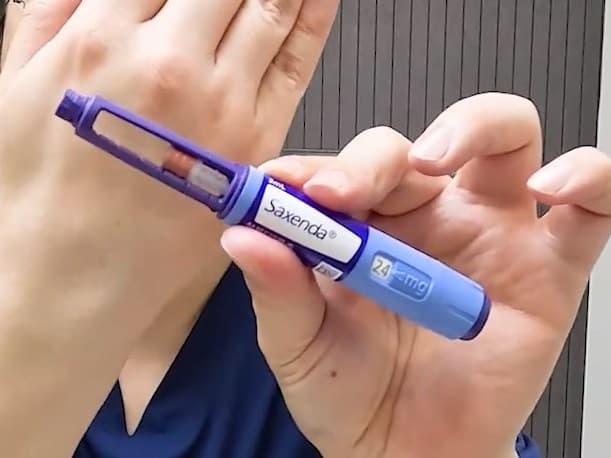 What Is Saxenda?
Saxenda is an injectable medication containing liraglutide.
Key facts:
- FDA-approved for chronic weight management
- Injected once daily
- Manufactured by Novo Nordisk
- GLP-1 receptor agonist
- Approved for adults and some adolescents with obesity or overweight plus related conditions
- Unlike weekly GLP-1 drugs, Saxenda requires daily injections, which may lead to sustained GLP-1 exposure.
How Saxenda Works
Saxenda mimics the hormone GLP-1, which:
- suppresses appetite
- slows stomach emptying
- increases feelings of fullness
- alters gut–brain signaling
- reduces caloric intake
While effective for weight loss, chronic digestive slowing can become problematic for some patients.
FDA Boxed Warning for Saxenda
Saxenda has the following FDA boxed warning (formerly known as a black box warning) on its label:
WARNING: RISK OF THYROID C-CELL TUMORS See full prescribing information for complete boxed warning. Liraglutide causes thyroid C-cell tumors at clinically relevantexposures in both genders of rats and mice. It is unknownwhether Saxenda causes thyroid C-cell tumors, including medullary thyroid carcinoma (MTC), in humans, as the human relevance of liraglutide-induced rodent thyroid C-cell tumors has not been determined (5.1). Saxenda is contraindicated in patients with a personal or family history of MTC or in patients with Multiple Endocrine Neoplasia syndrome type 2 (MEN 2). Counsel patients regarding the risk of MTC and the symptoms of thyroid tumors
(4, 5.1, 13.1).
Saxenda vs Newer GLP-1 Drugs
Compared to semaglutide (Wegovy/Ozempic) and tirzepatide (Zepbound/Mounjaro):
- Saxenda uses liraglutide, an earlier GLP-1 compound
- requires daily dosing
- produces similar GI effects, but with continuous exposure
- still carries risk of severe motility disorders and organ injury
Although sometimes perceived as “less aggressive,” Saxenda is not risk-free.
 Commonly Reported Side Effects
Many Saxenda users experience gastrointestinal symptoms, especially early in treatment:
- nausea
- vomiting
- diarrhea
- constipation
- abdominal pain
- bloating
- fatigue
- dizziness
- decreased appetite
For some patients, these symptoms persist or worsen over time.
Serious Safety Concerns Associated With Saxenda
Severe Gastrointestinal Motility Disorders
Reported injuries include:
- gastroparesis (stomach paralysis)
- ileus (functional bowel shutdown)
- severe constipation
- chronic digestive dysfunction
➡️ Related: Motility Disorders
Dehydration & Kidney Injury
Ongoing vomiting or reduced intake may lead to:
- dehydration
- electrolyte imbalance
- acute kidney injury (AKI)
- worsening kidney disease
➡️ Related: Dehydration and Kidney Damage
Gallbladder Disease
Weight loss and altered bile flow may increase the risk of:
- gallstones
- gallbladder inflammation
- gallbladder removal surgery
➡️ Related: Gallbladder Removal
Pancreatitis
Some patients report:
- severe abdominal pain
- elevated pancreatic enzymes
- hospitalization for pancreatitis
➡️ Related: Pancreatitis
 Vision Problems / NAION
Serious vision complications, including Non-Arteritic Anterior Ischemic Optic Neuropathy (NAION), have been reported across the GLP-1 drug class.
➡️ Related:
Who May Be at Higher Risk
Higher-risk individuals may include:
- patients with prior GI disorders
- individuals prone to dehydration
- people with kidney disease
- patients with diabetes-related vascular disease
- older adults
- long-term GLP-1 users
Saxenda and Lawsuits
Saxenda is included in broader GLP-1 litigation, particularly claims involving:
- severe motility disorders
- kidney injury
- gallbladder surgery
- pancreatitis
- permanent digestive injury
- blindness / NAION
➡️ Saxenda lawsuits hub: Lawsuits
 When to Consider a Review
You may want to consider review if:
- you used Saxenda, AND
- you required ER care or hospitalization, OR
- you developed a diagnosed complication, OR
- symptoms persisted after stopping the drug
➡️ Start here: File a Claim
Saxenda is an established weight-loss GLP-1 medication that can help reduce appetite and body weight, but it may also cause serious and persistent side effects in some patients. While many tolerate the drug, others report long-term or life-altering injuries.
If you experienced severe complications after using Saxenda, medical and legal review may be appropriate to see if you qualify for a Saxenda lawsuit.