
Intestinal obstruction — also known as bowel obstruction — is a serious condition when food, fluids, or gas cannot move normally through the intestines. This blockage can be partial or complete, and without urgent treatment, it can lead to infection, perforation, sepsis, or death. While intestinal obstruction has many causes, recent medical reports suggest possible links between GLP-1 drugs (such as Ozempic, Wegovy, and Mounjaro) and severely slowed gastrointestinal motility, which may contribute to obstruction in some patients. This page explains the symptoms, causes, diagnostic methods, treatment options, and how GLP-1 drugs may increase intestinal obstruction risk.
What Is Intestinal Obstruction?
An intestinal obstruction occurs when something blocks the passage of digested material through the intestines. This can happen in the:
- small intestine (most common)
- large intestine (colon)
An obstruction is a medical emergency, especially when caused or worsened by medication-induced motility problems.
Intestinal obstruction, bowel blockage and bowel obstruction are all exactly the same medical condition. All these terms outline a complete or often partial blockage in the large intestine (colon) or small intestine that blocks or inhibits fluids, food, and gas from normal trajectory through the digestive system. This is usually a catastrophic medical condition, that may necessitate emergency care at a hospital. Bowel obstruction may be partial with waste passing or in some cases it is complete blockage (with nothing passing). Bowel obstruction often leads severe abdominal pain, cramping, failure to pass gas, constipation, vomiting and bloating. Some of the usual causes of intestinal blockage may include scar tissue adhesions from prior surgery, hernias (hernia mesh), tumors, GLP-1 medication or even inflammatory bowel disease (IBD). Hospitalization is often required to treat bowel obstruction. In some cases, surgery is required for complete blockages to prevent tissue damage.
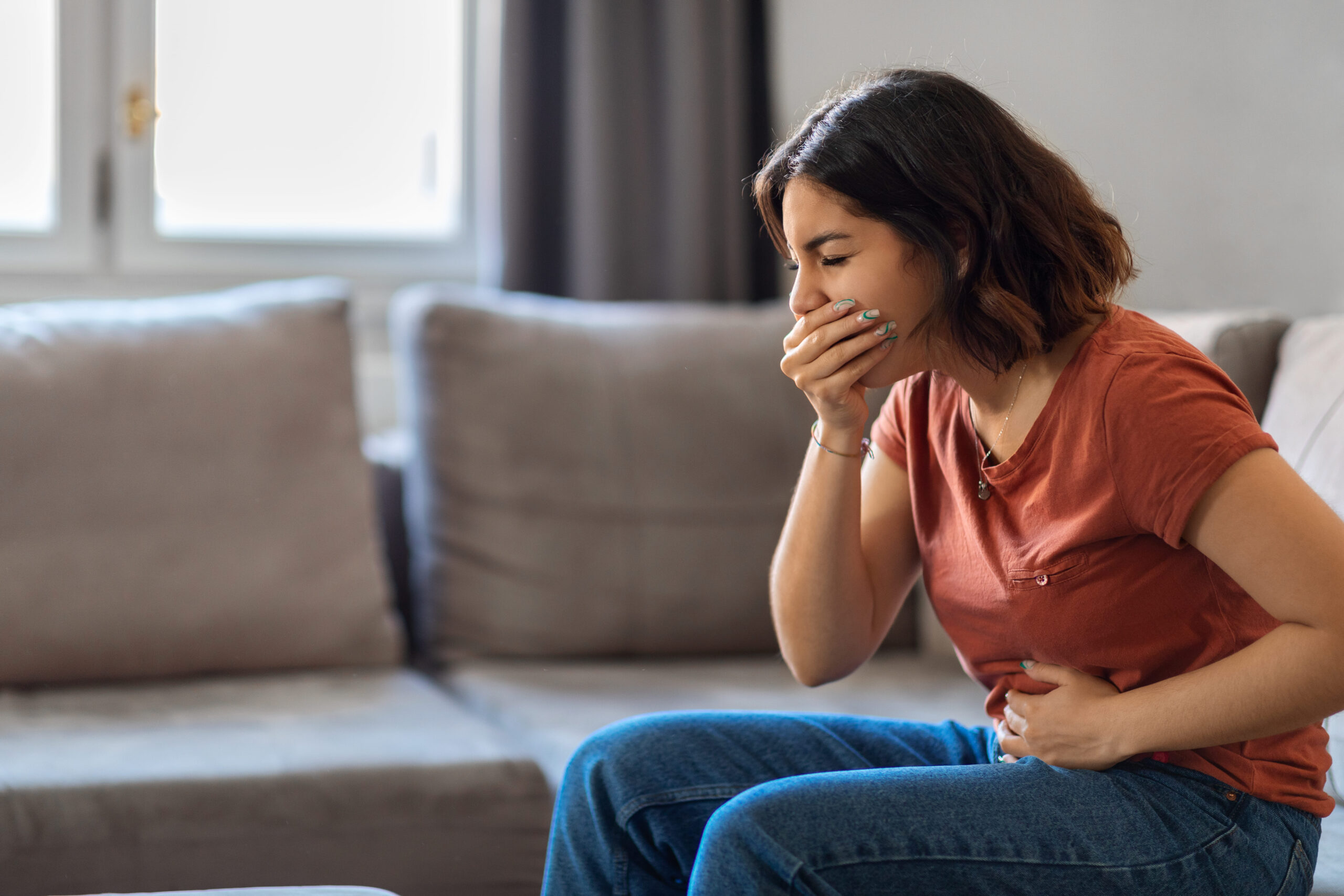 Symptoms of Intestinal Obstruction
Symptoms often appear suddenly and worsen quickly.
Core Symptoms
- Severe abdominal pain
- Cramping that comes in waves
- Abdominal bloating
- Nausea
- Vomiting (may smell like stool in severe cases)
- Constipation
- Inability to pass gas
Severe Symptoms
- Fever
- Rapid heart rate
- Severe dehydration
- Shock
- Green or yellow vomiting
- Bloody stool
- Extreme abdominal distension
These symptoms require immediate ER evaluation.
Important Symptoms and Warning Signs:
- Stomach Pain & Cramping: Usually severe and often intermittent.
- High-pitched Bowel Sounds: Loud distubing gurgling type sounds.
- Ribbon-like, Thin Stools: This may happen especially with blockage that is partial.
- Constipation/Obstipation: Dificulty or inability to pass gas or have bowel movements (79-91% of cases).
- Vomiting or Nasuea: Most often happens with small bowel blockages
- Abdominal Swelling/Distension: Belly becoming swollen or bloated.
Intestinal Obstruction?
Common causes include:
- Adhesions (scar tissue from previous surgeries)
- Hernias
- Tumors
- Impacted stool
- Inflammatory bowel disease
- Volvulus (twisting of the intestine)
- Certain medications — including GLP-1 drugs
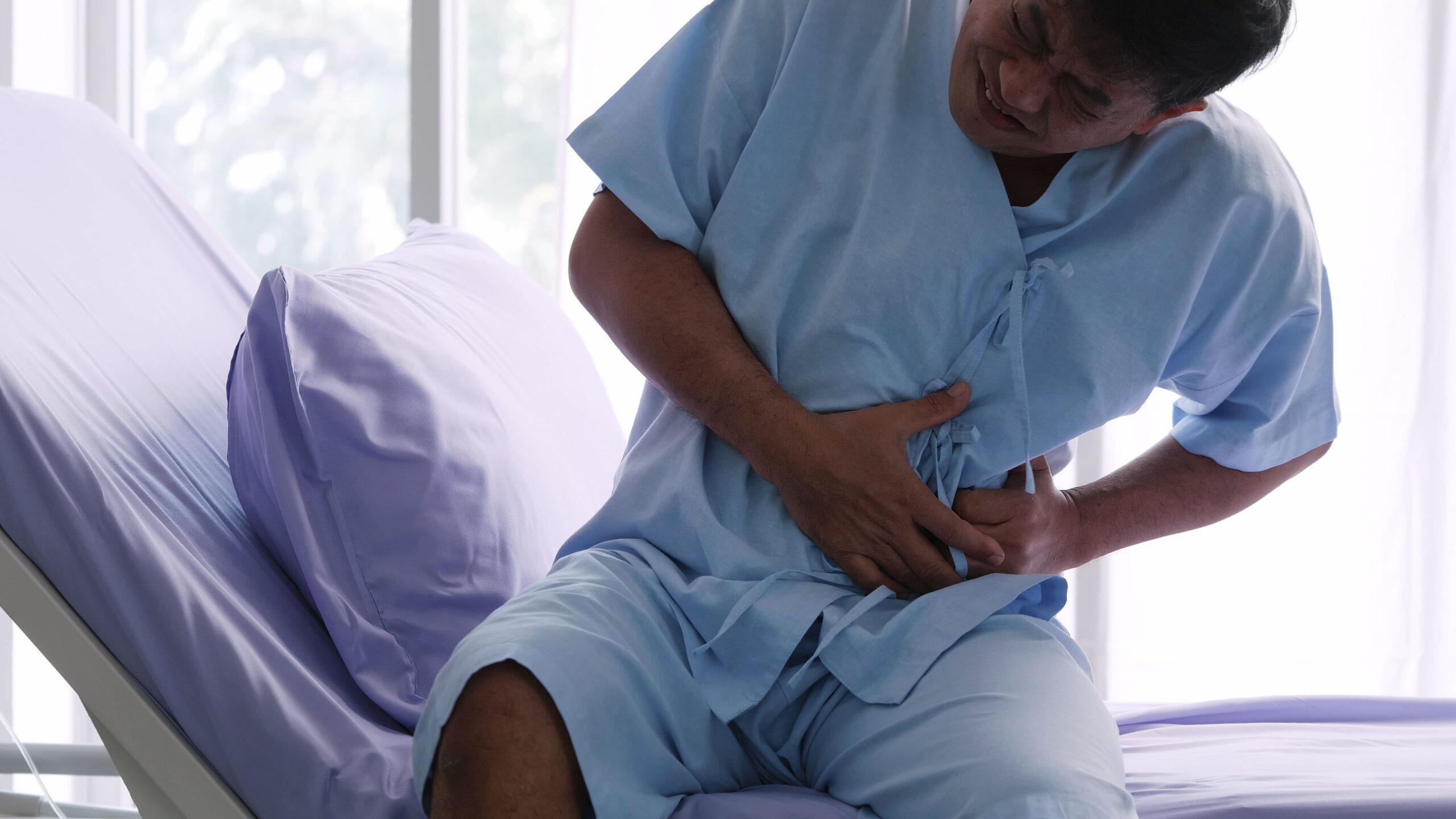 GLP-1 Drugs and Intestinal Obstruction
GLP-1 receptor agonists (Ozempic, Wegovy, Mounjaro, Rybelsus) significantly slow stomach emptying and intestinal motility. In rare cases, this can contribute to:
- severe constipation
- intestinal paralysis
- partial or full obstruction
How GLP-1 Drugs May Increase Risk
- Slowed gastric emptying → slowed intestinal transit
- Reduced peristalsis (intestinal muscle movement)
- Severe vomiting → dehydration → worsened motility
- Drug-induced gastroparesis may extend into the intestines
- Long-term use may impair GI nerve function in some patients
Higher-risk situations:
- high-dose or long-term GLP-1 use
- underlying GI motility disorders
- severe constipation histories
- rapid or extreme weight loss
- concurrent medications that slow digestion
➡️ Gastroparesis
➡️ GLP-1 Severe Reactions
➡️ Ozempic Side Effects
➡️ Mounjaro Side Effects
➡️ Wegovy Side Effects
How Doctors Diagnose an Intestinal Obstruction
Diagnosis usually includes:
- Physical Exam
-
- abdominal distension
- bowel sounds (often high-pitched or absent)
- Imaging
-
- X-ray (quick assessment)
- CT scan (most accurate)
- Ultrasound (helpful in some cases)
- Laboratory Tests
-
- electrolyte imbalance
- dehydration markers
- signs of infection
- kidney function (especially if vomiting)
- Medication History Review
-
- GLP-1 drug use
- severe vomiting
- prolonged constipation
 Treatment for Intestinal Obstruction
Treatment depends on the type and severity:
- Non-Surgical Management
Used mainly for partial obstructions:
-
- IV fluids
- Nasogastric tube (NG tube) to remove stomach contents
- Bowel rest (no food)
- Electrolyte correction
- Monitoring for 24–72 hours
- Surgical Treatment
Required for full obstructions, complications, or when conservative treatment fails:
-
- removal of blockage
- resection of damaged intestine
- treatment of adhesions, hernias, or tumors
-
- Emergency Minimally Invasive Procedures
In select cases, endoscopy may relieve obstructive issues.
Physicans engage in treatment of intestinal blockages by first stabilizing the victim with IV fluids, medication for pain relief, and fasting which allows the bowel to rest. Doctors utilize a nasogastric tube which decompresses the abdomen. If the bowel obstruction is partial in nature or resulting from adhesions, the issue could resolve without the need for surgical intervention. Nonetheless, total blockages typically necessitate surgery to end the obstruction and repair damaged tissue.
Potential Complications
Untreated obstruction can lead to:
- bowel necrosis (tissue death)
- perforation (tear in the intestine)
- peritonitis
- sepsis
- multi-organ failure
- death
This is why early diagnosis and treatment are crucial.
Untreated intestinal obstructions
Untreated intestinal obstructions can cause life-threatening issues, most notably- bowel perforation (tearing), tissue death (strangulation/gangrene), and severe abdominal infections such as peritonitis. The nefarious buildup of fluid and gas is linked to dehydration, electrolyte imbalances, and widespread infection (sepsis). This could be deadly if not treated forthwith and properly. There are numerous sever complications of untreated Intestinal Obstructions such as:
- strangulation (Tissue Death). This occurs when the obstruction cuts off blood supply to the bowel, leading to the affected tissue to die (gangrene). If the blood supply is cut off to the bowel it is absolutely an urgent medical emergency.
- Perforation (Torn Intestine): Intense pressure buildup from trapped fluids and gas can cause the intestinal wall to break or tear.
- Peritonitis: If the intestine breaks, bacteria and intestinal contents leak into the abdominal cavity, causing a severe, life-threatening infection called peritonitis.
- Sepsis: The infection from peritonitis or severe inflammation can spread to the bloodstream, causing a systemic, often fatal response.
- Dehydration and Electrolyte Imbalances: Persistent vomiting and the inability to pass fluids prevent the body from hydrating and maintaining essential mineral levels.
- Chronic Pain and Distension: Severe abdominal pain, cramping, and significant swelling (distension) are common as the obstruction worsens
 When to Seek Emergency Care
Go to the emergency room if you experience:
- constant abdominal pain
- inability to pass stool or gas
- persistent vomiting
- severe bloating
- fever with abdominal symptoms
- signs of dehydration
Intestinal obstruction is life-threatening if untreated.
Legal Rights: Intestinal Obstruction From GLP-1 Drugs
If you developed intestinal obstruction after taking Ozempic, Wegovy, Mounjaro, or Rybelsus, you may be eligible for compensation via a lawsuit.
You may qualify if:
- you were diagnosed with partial or full obstruction
- you were hospitalized or required surgery
- you needed an NG tube
- you suffered severe or long-term GI dysfunction
- you incurred high medical bills
- you missed work
- you developed chronic motility issues
 Compensation may include:
- medical expenses
- lost income
- long-term treatment
- pain and suffering
- reduced quality of life
➡️ Check eligibility:
👉 GLP-1 Drug Lawsuits
👉 Ozempic Lawsuit
Related Internal Links
- Gastroparesis
- Pancreatitis
- Kidney Failure
- Gallbladder Issues
- Severe GLP-1 Reactions
- Common GLP-1 Side Effects
Bowel obstruction is a serious condition that can result from multiple factors, including slowed digestive motility caused by GLP-1 drugs. Early detection, immediate treatment, and awareness of medication-related risks are essential. If a GLP-1 drug contributed to your obstruction, you may have legal options for compensation.