
Eli Lilly is facing Mounjaro lawsuits as part of an expanding multidistrict litigation (MDL 3094) in the U.S. District Court for the Eastern District of Pennsylvania. There are more than 3,000 GLP-1 lawsuits (including Mounjaro lawsuits) pending as of March of 2026. Mounjaro lawsuits assert that Eli Lilly did not properly warn consumers and physicians concerning the risks of severe gastrointestinal problems such as gastroparesis (stomach paralysis), intestinal blockages, gallbladder disease, and assorted severe medical problems.
Mounjaro lawsuits have been consolidated in MDL 3094 (In re: Glucagon-like Peptide-1 Receptor Agonists (GLP-1 RAS) Products Liability Litigation). Victims allege that Eli Lilly was aware of the risks of serious complications—like gastroparesis. The victims allege that Eli Lilly failed to make them aware of the risks. Victims allege that Eli Lilly marketed Mounjaro as a safe drug for treatment of type two diabetes and weight management that is “off label.” As of the beginning of 2026, there are no reported settlements or verdicts by judge or jury in the Mounjaro litigation. Bellwether trials will probably commence in 2026. Mounjaro lawsuit settlement amounts in the future are unknown.
Recent research indicates a possible link between Mounjaro (tirzepatide) and a greater chance of a NAION diagnosis. Even though Mounjaro does not list NAION as a complication, studies have indicated a greater likelihood of “eye stroke” in victims who have a GLP-1 receptor agonists script, particularly victims with a diabetes diagnosis. Mounjaro prescriptions are exponentially expanding. Many people who have a GLP-1 prescription commenced experiencing serious gastrointestinal and organ-related problems — such as: gastroparesis, kidney impairment, intestinal obstruction, pancreatitis, and gallbladder disease.
MDL lawsuits in federal court allege that GLP-1 drugs cause NAION, vision loss and eye damage. These GLP-1 vision loss & NAION lawsuits are consolidated into MDL No. 3163 in the Eastern District of Pennsylvania. This MDL was commenced in 2025 and is managed by Judge Karen S. Marston. Judge Marston is overseeing two related but separate GLP-1 MDLs. The two MDLs are: MDL 3094 and MDL No. 3163 for NAION and vision loss claims. The centerpiece of the NAION MDL is allegations that the manufacturers failed to warn of the dangers of GLP-1 usage, There are also NAION cases pending in state court in New Jersey.
This page explains core allegations seen in Mounjaro related injury claims, common medical conditions linked to litigation, who may qualify, and what information case reviews typically require.
 Why Mounjaro Lawsuits Are Emerging
Legal claims commonly allege that:
- warnings did not adequately alert patients to the risk of severe gastric motility disorders
- drug messaging portrayed vomiting and digestive symptoms as “temporary or mild”
- rapid expansion into weight-loss markets occurred without long-term safety data
- acute vomiting episodes have led to hospitalization, organ injury, and permanent complications
Many patients say they used Mounjaro as prescribed — but experienced unexpectedly dangerous outcomes.
Medical Complications Reported in Claims
Gastroparesis (Stomach Paralysis)
One of the most frequently cited legal injuries.
Reported symptoms include:
- vomiting undigested food hours later
- inability to tolerate normal meals
- extreme fullness after small portions
- chronic nausea
- confirmed gastric emptying delay
➡️ Legal hub: Gastroparesis
Pancreatitis
Case reviewers have noted instances of:
- acute pancreatic inflammation
- ER visits for abdominal pain
- enzyme elevation
- chronic post-episode dysfunction
➡️ Learn more: Pancreatitis
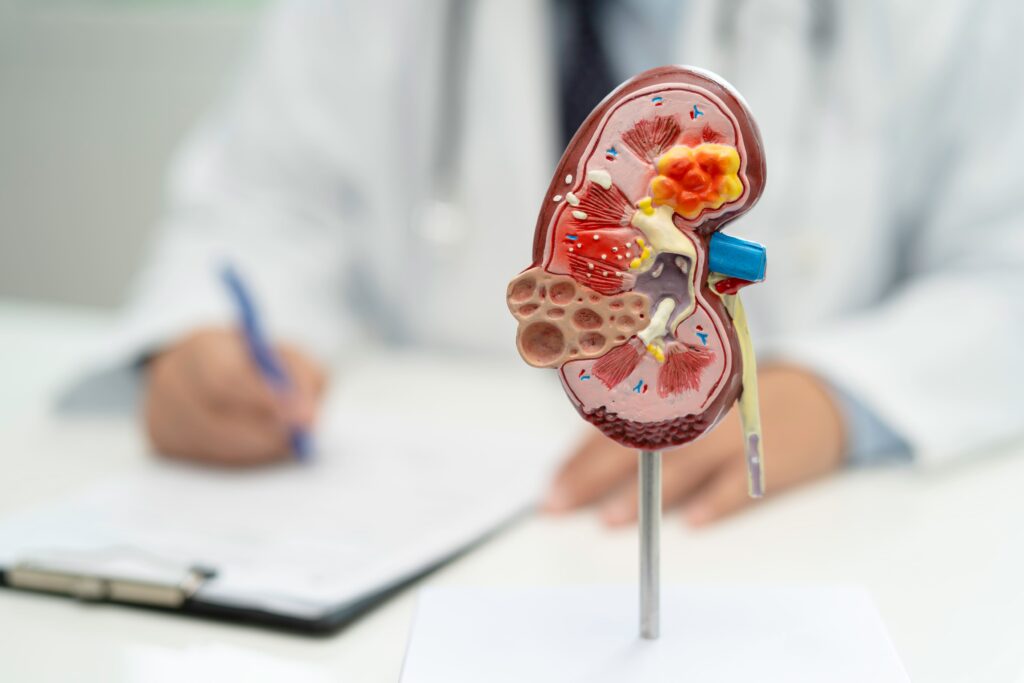
Kidney Injury & Kidney Failure
Often secondary to dehydration from prolonged vomiting or pancreatitis.
Indicators include:
- acute kidney injury (AKI)
- reduced eGFR
- elevated creatinine
- dialysis in severe cases
➡️ Claims page: Kidney Failure
 Gallbladder Events
Legal claims frequently describe:
- gallstones
- gallbladder inflammation
- blocked bile ducts
- surgical removal
➡️ View: Gallbladder Removal
Intestinal Obstruction & Severe Motility Disorders
Symptom patterns seen in filings include:
- gastrointestinal shutdown
- inability to pass stool or gas
- abdominal swelling
- hospitalization
- specialist or surgical evaluation
➡️ More: Intestinal Obstruction
Injury Patterns Seen in Mounjaro Legal Reviews
Reviewers frequently note:
- symptom onset after dose escalation
- vomiting lasting weeks or months
- dehydration leading to kidney stress
- recurrent ER visits
- documented motility impairment
- feeding restrictions or malnutrition
- organ damage confirmed by testing
Many of these patterns match those observed in claims involving other GLP-1 drugs.
Who May Qualify for a Mounjaro Injury Claim
You may be eligible if you:
- used Mounjaro, AND
- developed a serious complication requiring medical care, AND
- experienced persistent, life-altering, or organ-related effects
Most qualifying cases include formal medical diagnosis and treatment.
Common qualifying conditions include:
- confirmed gastroparesis
- acute or chronic pancreatitis
- kidney injury or filtration decline
- gallbladder removal
- intestinal obstruction
- months of vomiting
- long-term digestive disability
If symptoms affected your ability to work, eat normally, or live independently, legal evaluation is strongly recommended.
Medical Documentation That Strengthens Claims
The strongest cases typically include:
- gastric emptying studies
- motility tests
- abdominal CT, ultrasound, or MRI
- kidney filtration panels
- pancreatic enzyme labs
- gallbladder imaging
- ER and admission records
- surgical reports
- GI specialist notes
➡️ Full evidence guide: Medical Records
 Progression Patterns Noted in Claims
Many Mounjaro patients report:
- mild nausea progressing to chronic vomiting
- severe symptoms after dose increases
- lost ability to digest solid foods
- need for IV hydration
- electrolyte imbalance
- decreased kidney output
- gallbladder crisis triggered by rapid weight loss
Claim reviewers often assess these patterns when screening eligibility.
Possible Compensation
Depending on injury severity, claims may pursue compensation for:
- medical bills
- ER visits
- specialist testing and imaging
- gastroparesis treatment
- feeding assistance
- dialysis
- surgical procedures
- lost income
- reduced earning ability
- chronic disability
- diminished quality of life
➡️ See compensation page: Compensation
Timeline Indicators
Medical-legal reviews frequently consider:
- when symptoms began relative to medication
- whether dose increases triggered escalation
- whether symptoms persisted after discontinuation
- length of hospitalization
- long-term impairment after diagnosis
These timeline links often appear in strong eligibility cases.
When to Seek Immediate Help
If any of the following occurred while using Mounjaro, medical and legal review may be critical:
- persistent vomiting
- inability to eat or drink
- ongoing abdominal pain
- hospitalization
- kidney function decline
- gallbladder removal
- sudden digestive paralysis
- bowel blockage
- feeding tube placement
How to Begin a Mounjaro Claim Review
You can start by sharing basic details about:
- medication history
- symptom timeline
- diagnosis or testing
- hospital visits
- treatment received
➡️ Start screening: File a Claim
➡️ Review criteria: Criteria