
GLP-1 drugs—including Ozempic, Wegovy, Mounjaro, Zepbound, Rybelsus, Trulicity, Saxenda, and Victoza—are often described as “appetite suppressants” or “diabetes medications.” In reality, they work by altering multiple interconnected systems throughout the body, particularly the digestive tract, brain, pancreas, and circulatory system.
GLP-1 medication (glucagon-like peptide-1 receptor agonists) mimic natural hormones to control appetite, slow down digestion, and help with blood sugar management. GLP-1 drugs operate by providing signals to the brain of fullness / satiety. They also lower food cravings and food noise. GLP-1s slow gastric emptying. They operate to stimulate the release of insulin. This process aids in weight loss and management of type 2 diabetes.
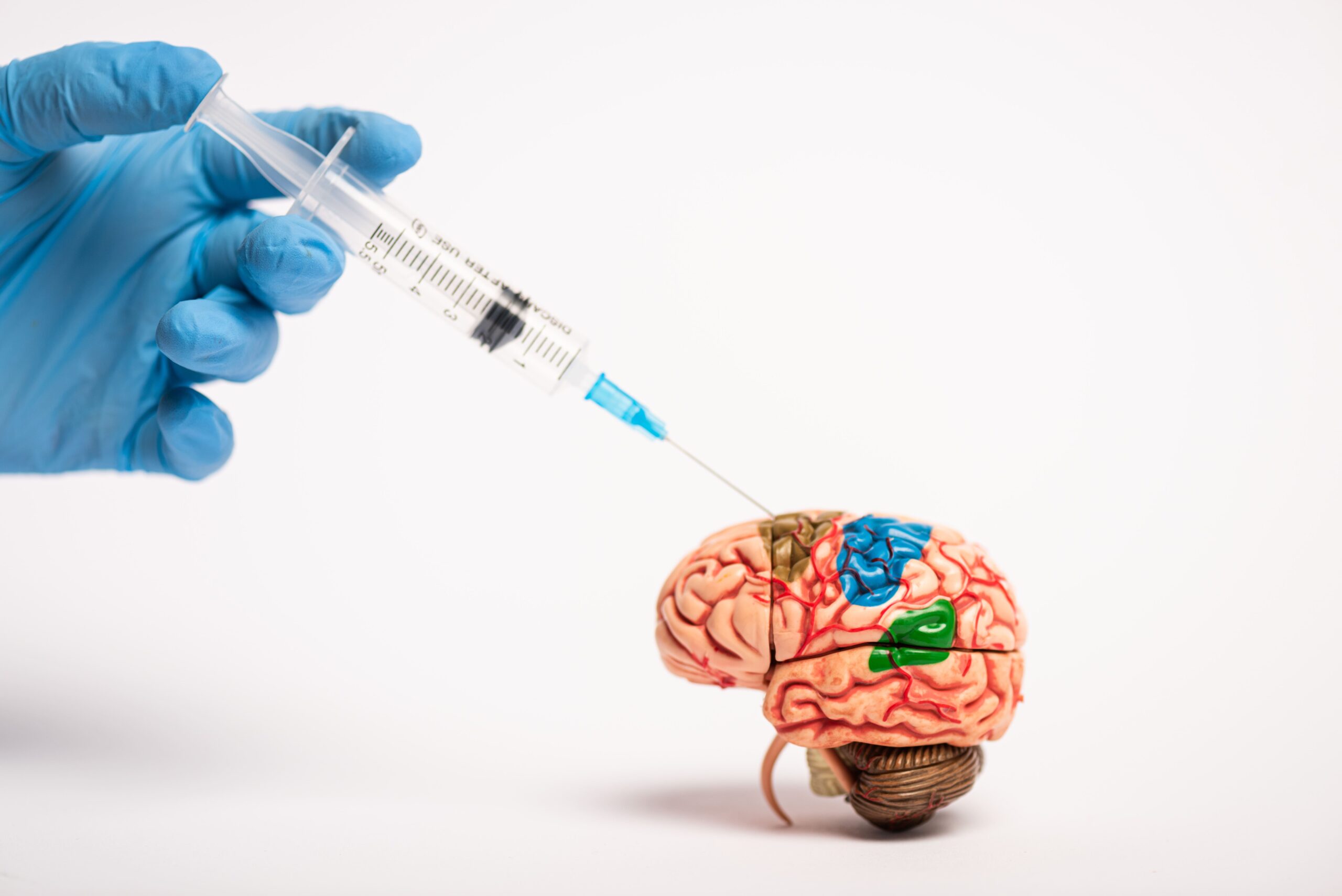
GLP-1s provide appetite regulation. Brain GLP-1 receptors are activated. This process operates to suppresses appetite, lessen cravings for food, and minimize “food noise.” (Food noise is a concept that pertains to incessant, intrusive, and sometimes obsessive mental thoughts concerning eating. These thoughts often persist even when someone is not hungry. This type of persistent preoccupation can lead to difficulty focusing on different activities. In some circles this is called food preoccupation, intrusive food thoughts, constant hunger or compulsive food thinking.)
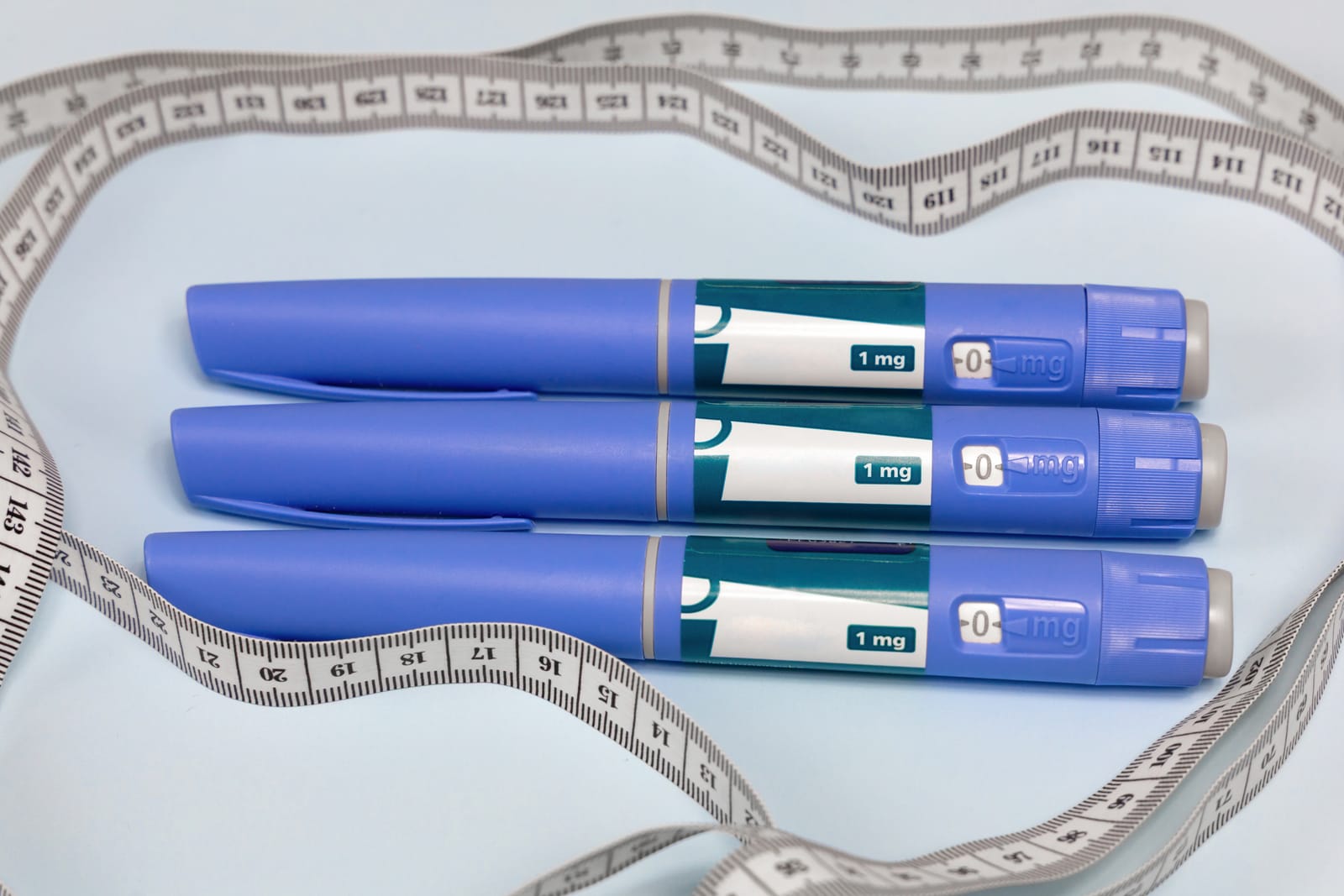 GLP-1 drugs slow the digestion process in the stomach. These meds slow gastric emptying, ensuring food remains in the stomach for a longer period. This enhances fulness feelings.
GLP-1s provide important benefits in blood sugar management in the pancreas. GLP-1s signal to the pancreas to unleash greater insulin production when blood sugar levels are elevated. The medication reduces glucagon release assisting in glycemic control.
These drugs are very effective, with most patients who enjoy major weight loss, often 10–20% of their weight. Patients also get the benefit of better metabolic health, such as lower blood pressure and lower cholesterol.
Understanding how GLP-1 drugs work is essential for understanding why serious side effects can occur, including gastroparesis, bowel shutdown, dehydration-related kidney injury, gallbladder disease, pancreatitis, and vision loss.
This page explains the mechanism of action of GLP-1 drugs in plain language, with medical accuracy.
What Is GLP-1?
GLP-1 stands for glucagon-like peptide-1, a naturally occurring hormone released in the gut after eating.
GLP-1 helps regulate:
- blood sugar
- insulin release
- appetite
- digestion speed
- satiety (feeling full)
GLP-1 drugs are synthetic versions of this hormone, designed to amplify and prolong its effects.
What Are GLP-1 Drugs Designed to Do?
GLP-1 drugs are designed to:
- Lower blood sugar
- Suppress appetite
- Slow digestion
- Increase feelings of fullness
- Reduce food intake
These effects can be beneficial—but when excessive or prolonged, they may lead to serious injury.
 How GLP-1 Drugs Affect the Brain (Appetite Control)
GLP-1 drugs act on the hypothalamus and brainstem, areas that regulate hunger and satiety.
They:
- reduce hunger signals
- increase satiety signals
- decrease reward-based eating
This is why many patients report:
- loss of appetite
- food aversion
- early fullness
However, appetite suppression is inseparable from digestive slowing—the two effects occur together.
How GLP-1 Drugs Slow Digestion (Critical Mechanism)
One of the most important and misunderstood effects of GLP-1 drugs is their impact on gastrointestinal motility.
GLP-1 drugs:
- slow stomach emptying
- reduce stomach contractions
- slow intestinal movement
- alter gut-brain nerve signaling
This is intentional—but in some patients, digestion slows too much.
Digestive Slowing → Motility Disorders
When digestive slowing becomes excessive, patients may develop motility disorders, including:
- gastroparesis (stomach paralysis)
- ileus (functional bowel shutdown)
- severe constipation
- generalized GI dysmotility
Food may:
- sit in the stomach for hours or days
- back up into the intestines
- cause nausea, vomiting, bloating, and pain
➡️ Related:
 How Digestive Slowing Leads to Dehydration & Kidney Injury
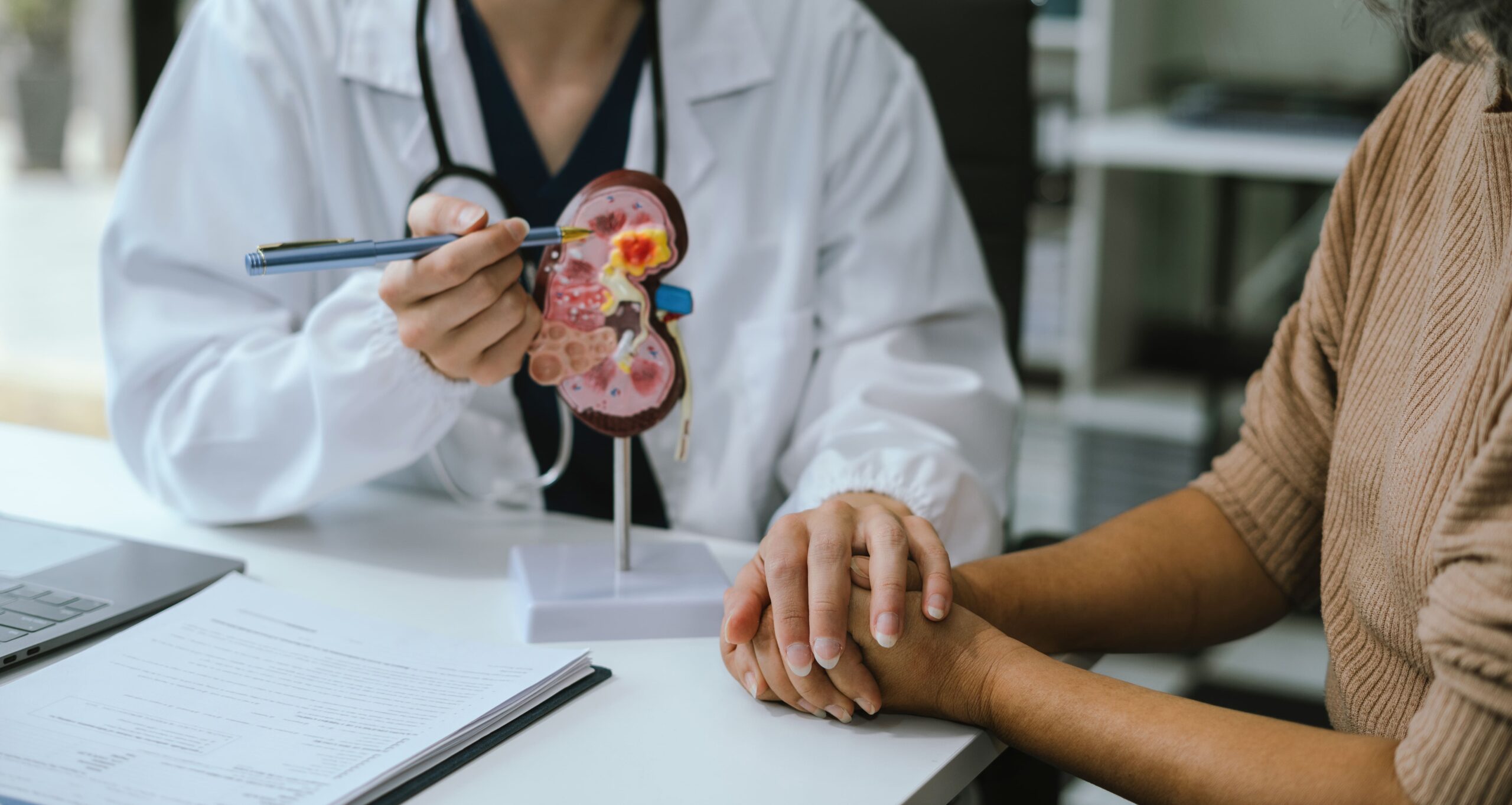
GLP-1-induced nausea, vomiting, and food intolerance can cause:
- reduced fluid intake
- fluid loss from vomiting/diarrhea
- dehydration
- electrolyte imbalance
Dehydration can lead to:
- acute kidney injury
- worsening chronic kidney disease
- hospitalization or dialysis in severe cases
➡️ Related: Dehydration and Kidney Damage
How GLP-1 Drugs Affect the Gallbladder
Rapid weight loss and altered digestion can:
- change bile composition
- reduce gallbladder emptying
- increase gallstone formation
This can lead to:
- gallbladder attacks
- inflammation
- gallbladder removal surgery
➡️ Related: Gallbladder Removal
How GLP-1 Drugs May Contribute to Pancreatitis
GLP-1 drugs affect the pancreas by:
- increasing insulin secretion
- altering pancreatic enzyme signaling
In some patients, this may be associated with:
- pancreatic inflammation
- elevated enzymes
- acute pancreatitis
➡️ Related: Pancreatitis
 How GLP-1 Drugs May Affect Vision (NAION)
Medical experts are evaluating whether GLP-1 drugs may contribute to optic nerve ischemia, potentially through:
- blood pressure changes
- dehydration
- vascular perfusion changes
- nocturnal hypotension
These mechanisms are under investigation in cases of Non-Arteritic Anterior Ischemic Optic Neuropathy (NAION), a cause of sudden blindness.
➡️ Related:
Why Effects May Persist After Stopping the Drug
Some patients report that symptoms:
- continue months after discontinuation
- worsen even after stopping
- become chronic or permanent
Possible reasons include:
- nerve signaling disruption
- prolonged motility impairment
- metabolic and vascular changes
- delayed recovery of gut function
This is especially relevant in long-term or high-dose use.
Differences Between GLP-1 Drugs
While all GLP-1 drugs share core mechanisms, differences matter:
| Drug Type | Mechanism |
| Ozempic / Wegovy / Rybelsus | GLP-1 only (semaglutide) |
| Trulicity / Victoza / Saxenda | GLP-1 only (dulaglutide / liraglutide) |
| Mounjaro / Zepbound | GLP-1 + GIP (dual action) |
Dual-action drugs may produce stronger metabolic and digestive effects.
Why Understanding the Mechanism Matters for Lawsuits
In litigation, how a drug works is central to:
- failure-to-warn claims
- foreseeability of injury
- dose-response risk
- expert causation testimony
GLP-1 lawsuits often focus on whether digestive paralysis and organ injury were foreseeable based on the drug’s mechanism.
➡️ Related:
Related Information
GLP-1 drugs work by amplifying natural hormonal signals that control appetite and digestion. While effective for blood sugar control and weight loss, these same mechanisms can—when excessive or prolonged—lead to serious, sometimes permanent injuries affecting the digestive system, kidneys, gallbladder, pancreas, and vision.
Understanding how GLP-1 drugs work helps explain why side effects occur and why certain injuries are now the focus of medical investigation and litigation.