

This page explains the injuries at the center of Ozempic lawsuits, who may qualify, what compensation may be available, and how to evaluate your case.

This page explains core allegations seen in Mounjaro-related injury claims, common medical conditions linked to litigation, who may qualify, and what information case reviews typically require

This page explains the core allegations, medical complications central to current Wegovy legal actions, who may qualify, and what information is commonly reviewed in case evaluations.

This page explains the core issues in emerging Rybelsus lawsuits, the medical conditions at the center of claims, who may qualify, and what evidence typically matters in case reviews.

This page explains the core issues in developing Trulicity lawsuits, the medical injuries at the center of claims, who may qualify, and what information is typically important during case review.

This page explains the injuries most often associated with Victoza-related claims, how eligibility is evaluated, and what evidence typically matters in case review.
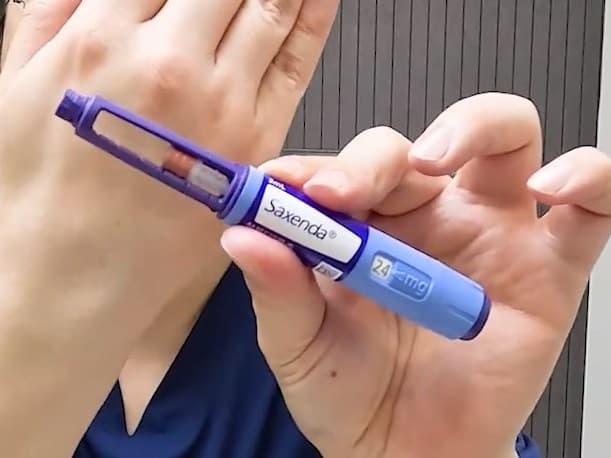
This page explains the injuries at the center of Saxenda lawsuits, who may qualify for a claim, and what information is usually important in a case review.

This page outlines the injuries most often associated with Zepbound-related claims, how eligibility is evaluated, and what evidence typically matters during case review.
No. GLP-1 lawsuits in the United States are not class action lawsuits.
Instead, they are typically filed as individual lawsuits that are coordinated in a federal legal process called a multidistrict litigation (MDL). There are currently two MDLs for GLP-1 lawsuits. Both MDL’s are in Federal Court in the Eastern District of Pennsylvania (Philadelphia). The presiding justice for both litigations is Judge Karen S. Marston,
An MDL allows many similar cases to share evidence, expert testimony, and pretrial rulings while still allowing each injured person to pursue compensation based on their individual injuries and damages. Each litigant in an MDL has their own individual law firm and attorneys representing their best interests.
This is important because GLP-1 injuries can vary significantly from patient to patient. Some people experience temporary symptoms, while others may suffer severe or permanent complications, such as digestive paralysis, kidney injury, or vision loss.
Individual lawsuits allow courts to evaluate each person’s injuries separately, which can lead to more appropriate and lucrative compensation and settlements.
Your GLP-1 attorney may decide to file your case in a Multicounty litigation in New Jersey State Court. The New Jersey Supreme Court has delegated two separate and distinct multicounty litigations (MCLs) to control all NJ state-court lawsuits involving Ozempic and other GLP-1 drugs. Both MCLs are under the supervision of Superior Court Judge Gregg A. Padovano of Bergen County. There are two Multicounty litigations in NJ:
The court where a GLP-1 lawsuit is filed depends on several factors, including:
Over 3300 federal GLP-1 lawsuits are currently coordinated in multidistrict litigation (MDL) in federal Court, which centralizes similar cases before a single judge for pretrial proceedings. This process helps streamline discovery, expert testimony, and other complex legal steps.
Even if a case becomes part of an MDL, it remains an individual lawsuit, and it may later be resolved through settlement or returned to its original court for trial if necessary.
The term “Ozempic lawsuit” is commonly used because Ozempic is the most widely recognized brand name in the GLP-1 drug class. It was also approved years prior to other GLP-1 drugs such as Mounjaro and Zepbound.
GLP-1 lawsuits may involve several medications that work through similar mechanisms, including:
Because these drugs affect the body in similar ways—particularly by slowing digestion and altering metabolic signaling—many alleged injuries are linked to the broader GLP-1 drug category.
As a result, lawsuits often involve multiple related medications, even though the public may refer to them collectively as “Ozempic lawsuits.”
Nonetheless, when a person researches the concept of Ozempic lawsuit they generally are looking for information concerning lawsuits related to the larger class of drugs known as GLP-1’s.
At this stage, no final Ozempic settlement amounts have been announced, and it is not possible to predict exact payouts.
If settlements occur in the future, compensation may vary widely depending on factors such as:
Because each case is evaluated individually, settlement amounts can differ significantly from one claimant to another. Ozempic lawsuit payout settlements are likely to range between $60,000 to $1 million or greater depending on the severity of injury and complications. Predictions of Ozempic lawsuit settlement amounts are speculative, at this time.
Ozempic lawsuit settlement amount predictions (estimates):
Choosing the right law firm is an important decision. When evaluating potential representation, it may be helpful to look for firms that have:
Many firms offer free case evaluations, allowing individuals to learn whether they may qualify for a claim.
It is too early to know how GLP-1 litigation will ultimately be resolved.
In many pharmaceutical cases, several outcomes are possible:
The legal process can take time, and outcomes depend on factors such as the strength of medical evidence, court rulings, and negotiations between the parties.
A class action is a lawsuit where one or several plaintiffs represent a large group of people with nearly identical claims. In those cases, the entire group shares a single legal outcome.
GLP-1 lawsuits are generally not structured as class actions because injuries from these drugs can vary widely. Some people may experience mild symptoms, while others suffer severe complications requiring hospitalization, surgery, or long-term treatment.
Individual lawsuits allow courts to consider:
This approach can provide more individualized consideration of each person’s circumstances.