
Why Rapid Weight Loss Can Lead to Skin Changes, often referred to as “Ozempic Loose Skin”
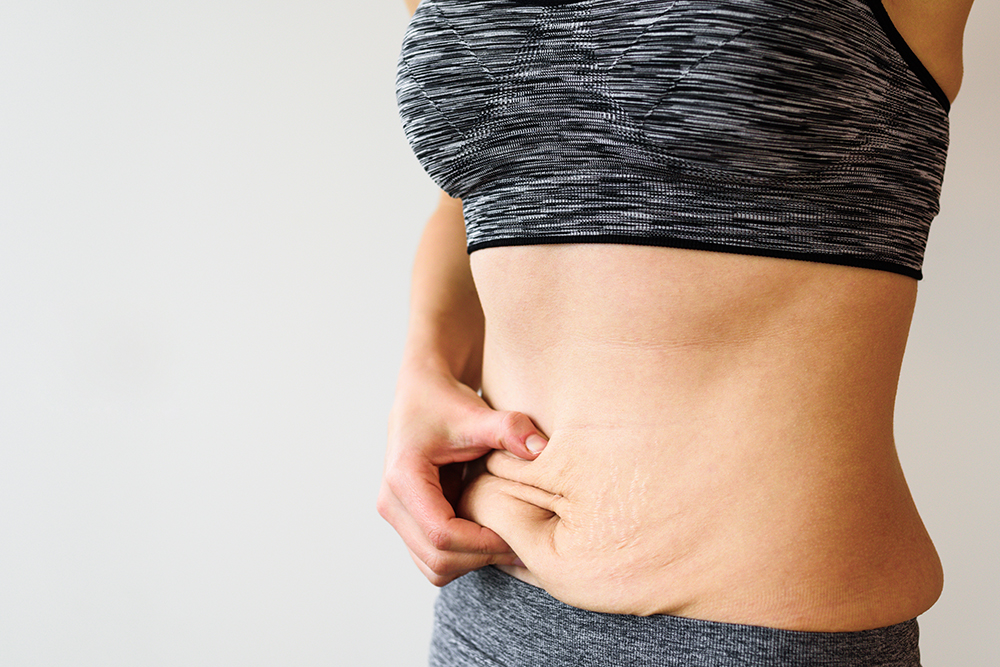
One of the more visible and emotionally significant consequences of rapid GLP-1-associated weight loss is what patients and clinicians have come to call “Ozempic loose skin” — excess or sagging skin that remains after the underlying fat has been lost. For patients who have worked hard to achieve meaningful weight reduction, the experience of loose or drooping skin can be disheartening, and it raises legitimate questions about what to expect and what, if anything, can be done about it.
Loose skin is a common consequence of rapid, significant weight loss associated with Ozempic (semaglutide) and Mounjaro / Zepbound (tirzepatide). “Ozempic body” or “Ozempic face,” occurs when fat is lost faster than the skin can adjust. Common areas affected include the face (sunken cheeks/ eyes), neck, abdomen, arms, and thighs. The main cause of loose skin is rapid weight loss. The skin is often unable to contract fast enough. Significant loss of subcutaneous fat leaves empty space under the skin.
GLP-1 medications can lead to muscle loss which provides underlying support for skin. Reduced collagen and elastin production with age affects skin elasticity. “Ozempic Face”, “Ozempic body” and “Ozempic neck” involves a gaunt appearance, sagging skin, and increased wrinkles. GLP-1 use may lead to sagging, drooping skin on the stomach and upper legs. The quick weight loss from Mounjaro use can cause the upper arms to look like “Crepey” skin. In certain circles. This is often mocked derisively as “bat wings.” Loss of fat can cause deflation and sagging in the breasts and buttocks.
Loose skin after commencing an Ozempic prescription is a common side effect of rapid, significant weight loss. The GLP-1 itself doesn’t actually damage skin, but dropping weight quickly outpaces your skin’s natural ability to shrink and produce essential elastin and collagen. You lose both fat and muscle tissue. Since muscle provides structural support, this loss makes the skin appear even more saggy. When the fat disappears, the skin may lack the elasticity to shrink back entirely. “Ozempic Face” and “Ozempic Body” are popular terms that refer to the gaunt, deflated look that occurs when fat pads are lost rapidly in the face, arms, breasts, or buttocks
It’s important to be precise from the outset: loose skin is not something GLP-1 drugs cause directly. The medication itself does not act on skin tissue. What it does do is drive significant, and sometimes rapid, fat loss — and the skin doesn’t always keep pace. You cannot file an ozempic lawsuit solely related to loose skin.
What Causes Loose Skin After Weight Loss?
Skin is a dynamic, living organ with a remarkable capacity to stretch and contract. But that capacity has limits, and those limits are influenced by several physiological factors. Understanding why loose skin develops helps set realistic expectations for patients and helps clinicians frame the risk appropriately during prescribing conversations.
1. Rapid Weight Loss
The rate of weight loss is one of the most significant predictors of loose skin. When fat is lost gradually, the skin has time to slowly contract and adapt to the body’s changing contours. When fat is lost quickly — as it frequently is with GLP-1 medications, which can drive substantial weight reduction in a matter of months — that adaptive process is outpaced. The result is that:
- Skin may not shrink at the same rate as the underlying fat
- Excess skin remains after the fat volume has been lost
2. Loss of Skin Elasticity
Skin’s ability to contract is governed primarily by two structural proteins: collagen and elastin. These proteins give skin its firmness and its capacity to bounce back after being stretched. Their production declines as a natural consequence of aging, but they are also degraded by environmental factors such as sun exposure and smoking. Patients with lower baseline levels of these proteins — typically older individuals or those with significant prior sun damage — will have diminished skin rebound capacity. Key factors affecting elasticity include:
- Collagen content, which declines with age
- Elastin levels, which similarly decrease over time
- Environmental exposures that accelerate protein breakdown
3. Amount of Weight Lost
The total volume of fat lost is directly correlated with the likelihood and severity of loose skin. Patients who lose 20 or 30 pounds may notice minimal changes in skin tautness. Those who lose 80, 100, or more pounds — which is entirely achievable with long-term GLP-1 therapy — are at substantially higher risk of noticeable and potentially distressing loose skin. Greater weight loss generally brings:
- More visible loose skin in affected areas
- More pronounced changes in body contour
Is Loose Skin Caused by GLP-1 Drugs?
This is a question worth answering directly, because the framing matters both medically and legally. GLP-1 receptor agonists are not the cause of loose skin in any pharmacological sense. The drug does not alter collagen synthesis, degrade skin protein, or act on dermal tissue. The causal chain runs through weight loss: GLP-1 drugs cause weight loss, and rapid, substantial weight loss can produce loose skin. That is an association mediated by an intermediate process — not a direct drug effect.
The same outcome is seen after bariatric surgery, sustained dietary restriction, or any other mechanism that produces large-volume fat loss quickly. The body region most commonly affected includes the abdomen, arms, thighs, face, and neck — areas with high fat content that are also prone to visible skin changes after significant volume reduction.
Who Is Most Likely to Experience It?
Not every GLP-1 patient will develop clinically significant loose skin. Risk varies considerably based on individual characteristics, and understanding the risk profile helps patients make informed decisions about their treatment and post-weight-loss care. Loose skin is more common and more pronounced in patients who:
- Lose large amounts of weight, particularly over a short period
- Are older, with reduced skin elasticity and collagen production
- Have existing skin laxity prior to treatment
- Have a history of significant prior weight gain and loss cycles
Can Loose Skin Be Prevented?
Complete prevention is not realistic, particularly for patients who achieve large amounts of weight loss. The structural properties of skin set a ceiling on how much it can contract. That said, several evidence-informed strategies can meaningfully reduce the severity of loose skin and support better skin adaptation during and after weight loss. None of these guarantees a particular outcome, but they represent reasonable clinical guidance:
- Gradual, managed weight loss, which gives skin more time to adapt
- Adequate hydration to support skin turgor and overall tissue health
- Sufficient protein intake to support collagen synthesis and skin repair
- Resistance training to build lean mass and improve underlying body composition
Is Loose Skin Permanent?
The trajectory of loose skin after weight loss varies meaningfully from patient to patient. Younger individuals with better baseline skin elasticity often see gradual improvement over the months following weight stabilization as the skin slowly contracts. Older patients or those with very significant weight loss are less likely to see full resolution without intervention. In broad terms:
- Skin may tighten gradually over time, particularly in younger patients
- Significant excess skin, particularly following very large weight losses, may persist indefinitely without surgical intervention
Treatment Options
Non-Surgical Approaches
For patients who experience moderate loose skin, non-surgical options may help improve the appearance and feel of affected areas, though their efficacy in cases of substantial excess skin is limited. Commonly discussed options include:
- Radiofrequency or ultrasound-based skin tightening treatments
- Resistance and strength training to improve underlying muscle volume and skin contour
- Skincare regimens aimed at improving hydration and elasticity
Surgical Options
For patients with significant excess skin — particularly following weight losses of 50 or more pounds — surgical body contouring is often the most effective and definitive solution. These are elective procedures, and the decision to pursue them involves weighing the potential benefit against surgical risks, recovery time, and cost. Surgical approaches include:
- Abdominoplasty (tummy tuck) for excess abdominal skin
- Brachioplasty (arm lift) for loose skin on the upper arms
- Body contouring procedures addressing the thighs, back, and other regions
- Surgical removal of excess skin panels in cases of massive weight loss
Is Loose Skin a Health Concern?
In the majority of cases, loose skin following weight loss is primarily a cosmetic issue rather than a medical one. However, it is not always without clinical consequence. In areas where excess skin folds against itself — the abdomen, groin, and under the arms, in particular — patients may experience:
- Skin irritation and rashes from friction and moisture accumulation
- Hygiene challenges in maintaining clean, dry skin folds
- Discomfort or chafing that interferes with physical activity or daily function
These functional complications, while less serious than the primary adverse events at issue in GLP-1 litigation, can meaningfully affect quality of life and warrant clinical attention.
Key Takeaways
For patients, clinicians, and those navigating the legal landscape around GLP-1 medications, the following points capture the essential picture on loose skin:
- Loose skin following GLP-1 therapy is caused by rapid fat loss, not by a direct drug effect
- The rate and volume of weight loss are the primary drivers of skin changes
- Risk is highest in older patients and those achieving large total weight loss
- Preventive strategies — including gradual weight loss, hydration, protein intake, and resistance training — can reduce but not eliminate the risk
- Outcomes range from gradual improvement to persistent excess skin requiring surgical intervention
Understanding the mechanism behind loose skin helps patients set realistic expectations and make more informed decisions about their weight loss approach, post-treatment skincare, and whether intervention is appropriate for their circumstances.